Lots of hype going on in the financial metals markets, what is real and what is hype?
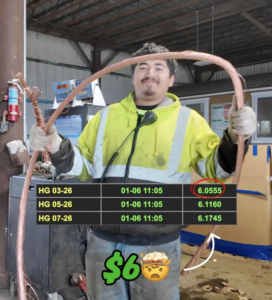
The headlines are stunning. Copper trading was up 43% last year and has been on a tear in the first few weeks of January. Going up and down past the $6 mark doesn’t even really seem exciting any more–we’ve been spoiled by the gains.
At the same time, aluminum is almost trading at $1.45 per pound. Even the laggard nickel which hardly moved in all of 2025 and is the foundation for stainless steel alloy pricing is getting in on the fun. On December 1, 2025 Aluminum was at $1.31 and nickel stood at $6.76. Aluminum is up 14 cents in 6 weeks and nickel is now at $8.19.
Almost too fast, almost too good to be true. There are many reasons behind all of this and financial speculation certainly plays a part. The shifting tariff landscape is also contributing, but you would think that is just old news by now. And copper and aluminum are now in the narrative of metals that all the financial brokers feel will be short of needs for electrification. We’ve seen these stories change on a dime due to lack of transparency in LME stocks in many of these commodities and we’ve also seen metal substitutions when prices get too high, but electrification without copper seems like a non starter!
Scrap metal prices for local yards are dictated by many factors beyond the headline trading numbers, though the trading numbers are often our best opportunity to come up with something to peg market moves to. For our industrial and commercial customers pegging to these formulas from the LME or Comex are really all we have but there are factors that determine why a scrap yard can’t adjust its prices to the same movement you see on a CNBC ticker.
First demand on the ground. Copper is a good example here. Sure, a mine strike in Chile may be big news in the commodity markets, but it is not impacting a domestic copper smelter in Central PA. https://www.reuters.com/sustainability/sustainable-finance-reporting/strike-continues-capstone-coppers-mantoverde-mine-after-negotiations-fail-2026-01-07/
These mining strikes, world events and other items spike pricing in the financial markets but don’t really impact demand in mills and foundries. What often happens in cases of extreme price movement in metals markets is that consumers will “widen the spread”. So while a scrap yard may get paid so much under a Comex or LME number, because demand is not keeping up mills will widen the spread or really just give less appointments for yards to get to sell their metal. Less appointments means more competition for these slots and leverage goes from the material supplier to the end consumer.
Another factor that can determine whether scrap yards can push pricing or not is when they sell. They could have sold 40,000 pounds of stainless, aluminum or copper and only have 10,000 on the ground, meaning they have to buy another 30,000 pounds to fulfill the order. They may have a certain margin that makes sense already locked in in that case so their own demand situation can vary based on how much they need to fill an order or not. Conversely if they don’t have an open order or just can’t get an order at a consumer they may back off not wanting to buy high priced inventory they can’t sell.
Sometimes you can hit the timing just right, and the key to doing that is your relationship with your scrap metal yard. Yards can lock in pricing and if you are in touch on a bulk load they can lock you in at the same time if you commit to bringing the material quickly. If you are in Central PA and want to reach out to us feel free to send me pictures of scrap and ballpark quantities to dan@recycleyourmetal.com!
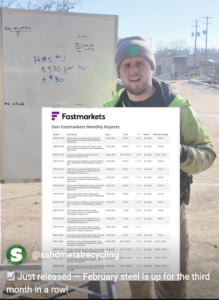
Many higher end suppliers or commercial suppliers establish the upfront pricing formulas with yards to protect them in this case and allow for a simple calculation to the market. Sometimes this hurts the scrapyard and sometimes it benefits but at least it is a predictable benchmark where the customer always knows the value of the metal before you sell it. These formulas often can be tweaked or even tied to exact selling prices established for certain commodities for certain markets in Fastmarkets.
So, why shoud an industrial or commercial recycler in Lancaster, York or Harrisburg care about a strike in a copper mine in Chile? The answer is it all just depends!